4-5 Minute Read
On June 4, ANOHC members joined more than 130 oral health advocates from across the country in Washington, D.C., for the 2026 OPEN Hill Day, holding 138 meetings on Capitol Hill in a single day. For coalition leaders, the trip captured something central to their work: carrying what they see in their states, territories and communities directly to the people writing federal policy.
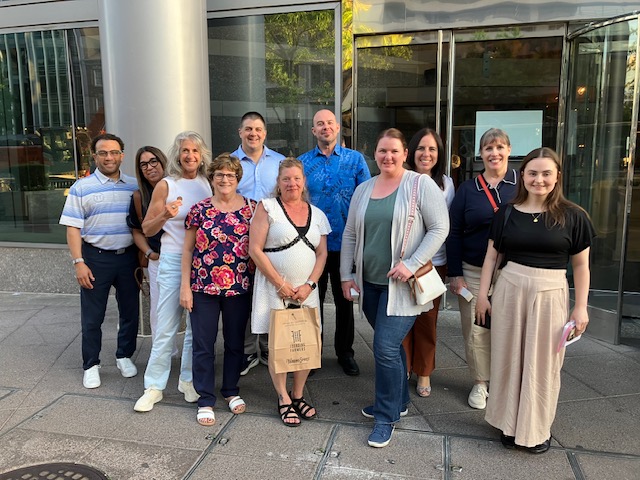
ANOHC members in Washington, D.C., for OPEN Hill Day 2026
OPEN Hill Day is organized each year through the Oral Health Progress and Equity Network, a national coalition working to make dental care more affordable and accessible, especially for underserved populations. OPEN members collaborate year-round, then bring that work to Washington for a single day of meetings with members of Congress and their staff. This was OPEN’s fifth Hill Day, and it leaned hard into what makes the event work: real community voices, shared priorities and a wide range of perspectives in the room.
State and territory coalition leaders bring something federal policymakers don’t always hear directly: what Medicaid, workforce and prevention policy actually looks like on the ground, in rural counties, in underserved neighborhoods, in communities where access to a dentist is far from guaranteed. This year, that perspective was pointed at three priorities: expanding dental care for veterans, most of whom don’t qualify for VA dental benefits and face steep out-of-pocket costs; protecting Medicaid as a pathway to dental care for millions of Americans, at a moment when proposed federal changes could narrow that access; and sustaining federal investment in oral health infrastructure, including the programs and data systems that took a hit when the CDC’s Division of Oral Health was eliminated.
Advocates didn’t walk into those meetings empty-handed. Ahead of Hill Day, participants trained on how to make the most of a short meeting with a lawmaker and reviewed state-specific data showing how access to dental care affects health outcomes and costs back home. But the data was only half the pitch. Advocates paired those numbers with personal stories, about a veteran turned away for care he couldn’t afford, a parent watching a child’s oral health complications spiral, a coalition leader who has simply seen too many people go without. That mix of evidence and lived experience is exactly what state coalitions are positioned to bring to the table.
The day also included a moment of recognition: U.S. Representative Julia Brownley of California was named OPEN’s 2026 Oral Health Champion of the Year for her work expanding dental care for veterans and pushing to integrate oral health with overall health, a reminder that policy champions in Washington need advocates on the ground just as much as advocates need champions in Washington.
Many ANOHC members left Capitol Hill with follow-up work already lined up, additional data to send, conversations to continue. That’s the nature of federal advocacy. It rarely turns on a single meeting, but on relationships built over repeated visits. By showing up at OPEN Hill Day, ANOHC coalitions add their voices, and their states’ data and stories, to a national case for treating oral health as an essential part of health care.
FAQ
What is OPEN Hill Day?
OPEN Hill Day is an annual advocacy event organized by the Oral Health Progress and Equity Network, bringing advocates from across the country to Washington, D.C., to meet with members of Congress about federal oral health policy.
What were this year’s top policy priorities?
Advocates focused on expanding dental care access for veterans, protecting Medicaid as a pathway to dental care, and sustaining federal investment in oral health infrastructure and prevention programs.
How many advocates participated in 2026?
More than 130 advocates took part, holding 138 meetings with members of Congress and congressional staff on June 4.
Why do state oral health coalitions participate in federal advocacy like this?
Coalition leaders work closely with communities, providers and policymakers in their states, giving them firsthand insight into how federal policy decisions affect access to care, insight they bring directly into conversations with federal lawmakers.
Learn more about ANOHC’s network of state oral health coalitions and how members are advancing oral health policy and advocacy across the country.